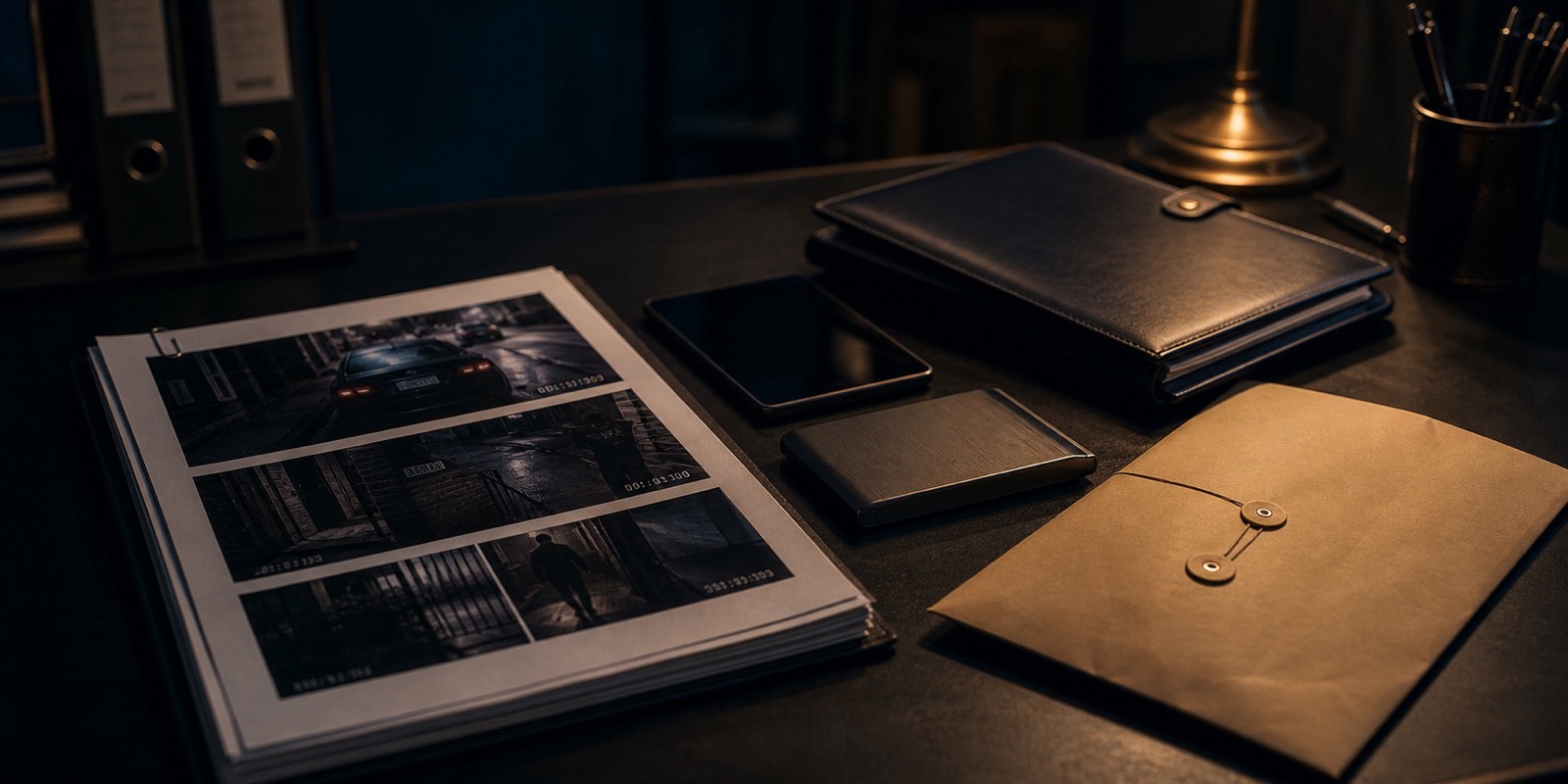
Short version: A timeline is not a diary. It is a clean sequence of facts.
Why This Matters
People often know the story in their head, but the person reading the report does not. A timeline solves that. It shows the order of events without forcing someone to dig through screenshots, memory, and emotion.
The cleaner the timeline, the easier it is to spot patterns, missing evidence, and next steps.
Step By Step
- Use a table, spreadsheet, or simple document.
- Create columns for date, time, location, event, evidence, witness, and action taken.
- Write one incident per row.
- Use exact times when you have them and honest estimates when you do not.
- Attach file names instead of pasting giant images into the timeline.
- Update the timeline after each new incident while your memory is fresh.
- Keep a separate notes page for feelings, theories, and questions so the main timeline stays factual.
Checklist
- Date
- Time
- Location or platform
- What happened
- Evidence file name
- Witness
- Action taken
- Report or case number
Common Mistakes
- Do not combine five incidents into one paragraph.
- Do not hide uncertainty. Write "about 9 PM" if you only know about 9 PM.
- Do not add theories in the event column.
- Do not rewrite the timeline every time your interpretation changes. Add updates.
When To Stop DIY
- If the timeline shows escalating threats or a near-term safety risk, treat it as a safety issue, not a paperwork issue.
- If the timeline is for court, ask your attorney how they want it formatted before filing or submitting it.
Simple Template
- 2026-06-30 | 8:14 PM | Text message | Received unwanted contact after no-contact request | 2026-06-30_text_01.png | None | Saved screenshot.
- 2026-07-01 | About 11:40 PM | Front driveway | Unknown person entered driveway | 2026-07-01_driveway.mp4 | Neighbor camera possible | Requested footage.