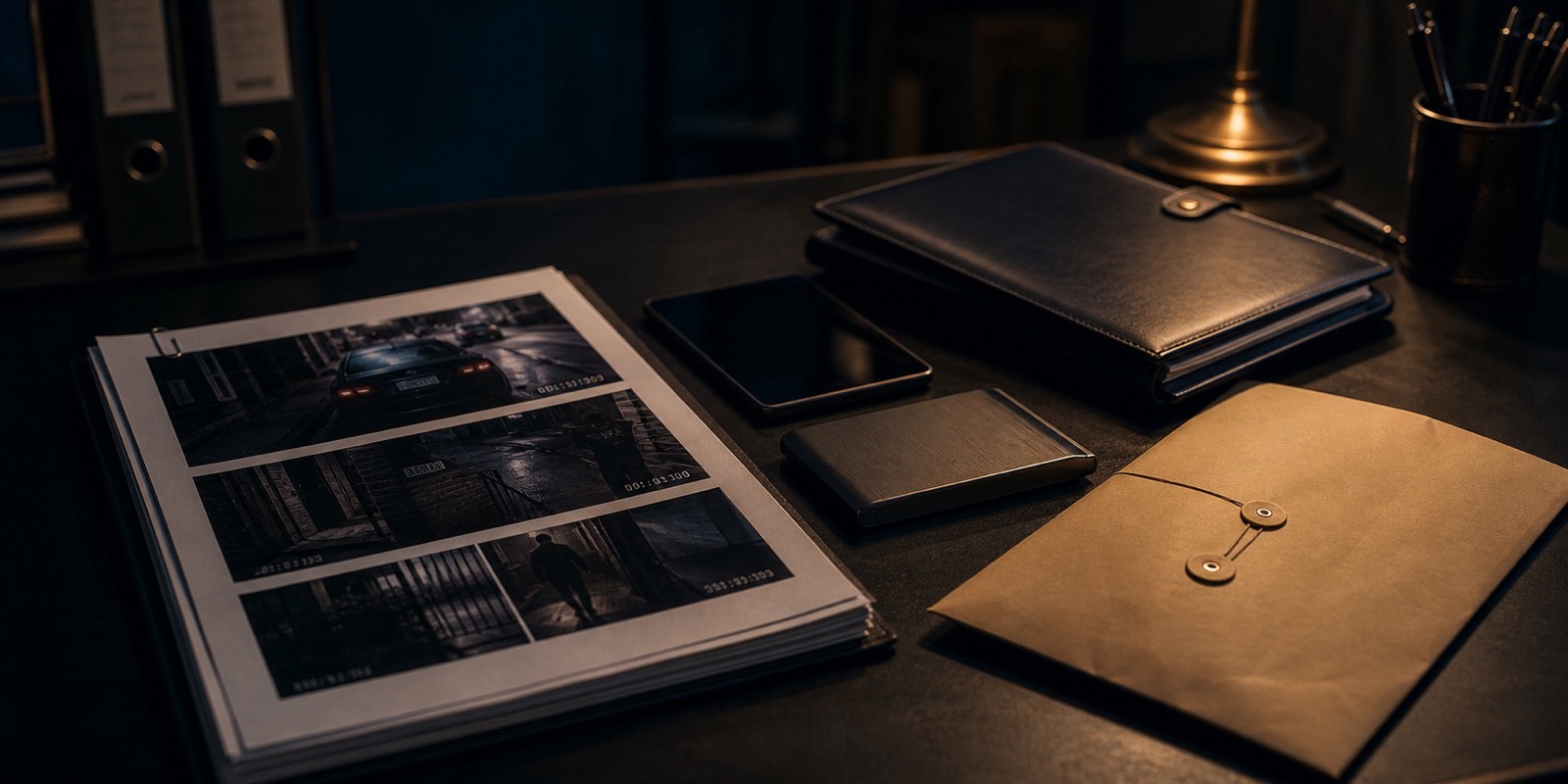
Short version: The fastest way to damage evidence is to alter it, delete context, or collect it illegally.
Why This Matters
Most evidence problems are preventable. People delete originals after screenshotting, crop out timestamps, confront suspects, edit files, move devices, or post everything online before anyone official reviews it.
You do not have to be perfect. You do need to slow down before you change the thing you may later need to prove.
Step By Step
- Save the original before making any copy, crop, clip, or markup.
- Document where the evidence came from and when you captured it.
- Keep context around messages, posts, and videos.
- Use working copies for highlights or edits.
- Store evidence somewhere the suspect cannot access.
- Avoid confrontation to create more evidence.
- Ask police, an attorney, or a qualified professional before handling illegal, dangerous, or technical evidence.
Checklist
- Original preserved
- Working copy made
- Timestamp visible or recorded
- Source recorded
- Context saved
- Backup created
- Evidence index updated
Common Mistakes
- Do not delete the original thread, file, post, voicemail, or alert.
- Do not crop out sender, date, time, URL, or username.
- Do not edit the only copy.
- Do not touch suspicious physical evidence if police may need it.
- Do not hack, trespass, track, or impersonate to obtain evidence.
When To Stop DIY
- Stop immediately if the next action could be illegal, unsafe, or retaliatory.
- If evidence involves child sexual abuse material, do not download, forward, or store it. Report it to the appropriate authority.
Simple Template
- Before touching evidence, ask: Is this the original? Can I copy it first? Will my action change metadata, location, condition, or context? Do I have lawful access? Would it be safer for police, an attorney, or a professional to handle this?